
In today's article, we will demystify two of the most commonly confused acoustic phenomena—echo and reverberation—and explain how proper acoustic treatment is the key to a clean and immersive acoustic environment.
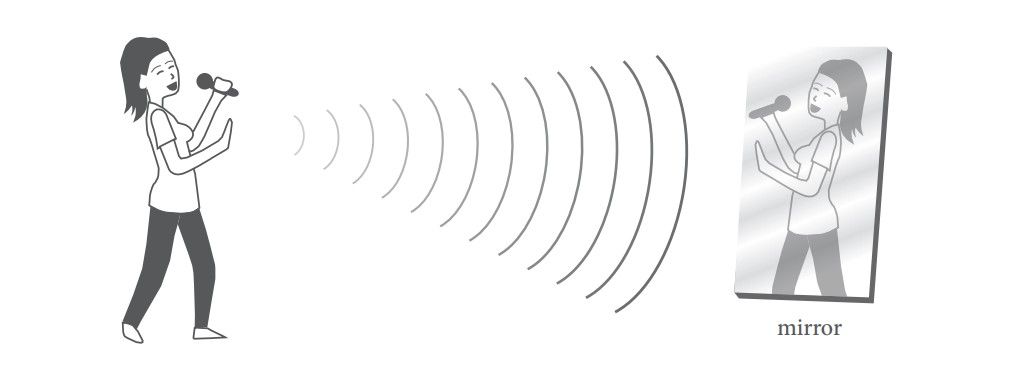
The Acoustic Duel: Echo vs. Reverberation In practice, both echo and reverberation are born from the same principle: sound is emitted by a source and reflects off surfaces (walls, ceiling, floor) before reaching our ears. However, the way our brain perceives these reflections dictates the practical difference between the two: • Echo: A true echo is a single, clear reflection of the direct sound that reaches the listener with a delay of more than 0.1 seconds. Considering the speed of sound in the air (about 340 m/s), for us to clearly distinguish the original sound from the reflected sound, the reflecting obstacle must be more than 17 meters away from the emitting source. It is the typical phenomenon we hear from one side of a large sports pavilion to the other. • Reverberation: Reverberation occurs when the time difference between the direct sound and the multiple reflections is less than 0.1 seconds, making it impossible for the human ear to distinguish them separately. Sound waves reflect in a zig-zag pattern throughout the space, mixing in such a way that they create a continuation of the initial sound, which gradually loses intensity until it fades completely.
Why is Acoustic Treatment Vital? The acoustics of a room are appropriately balanced when there is a correct equilibrium between sound absorption and reflection. The "Reverberation Time" (RT60) is the fundamental measure in this process, dictating the time it takes for a sound to decay by 60 dB after the source has stopped emitting.
Acoustic treatment is vital for clean acoustics because excessive reverberation distorts sonority, making it difficult to understand speech and requiring tremendous concentration, which causes psychological fatigue. In intense concerts, for example, excessive reverberation cancels out the clarity of the music. An untreated space will also suffer from problems such as standing waves (frequencies that echo trapped between parallel walls) and interferences that create "dead zones" where certain frequencies are canceled out.
To solve this, achieving acoustic balance requires the strategic use of materials that transform or redirect sound energy.
Suitable Materials for Acoustic Treatment To ensure perfect harmony across the entire sound spectrum, we rely on two forces: absorption and diffusion.
- Porous Absorbents: Open-cell acoustic foams, fabrics, mineral fibers, and cork agglomerates. They are ideal for absorbing middle and high frequencies, transforming vibratory energy into tiny amounts of heat due to friction within their cellular structures.
- Resonant Absorbers (Low-Frequency Tuning): Since porous materials do not effectively handle low frequencies (bass), resonant systems are used, such as Helmholtz resonators or membrane panels. Resonance boxes with holes or micro-perforations "trap" low-frequency waves, making them essential for preventing continuous bass vibration in the room.
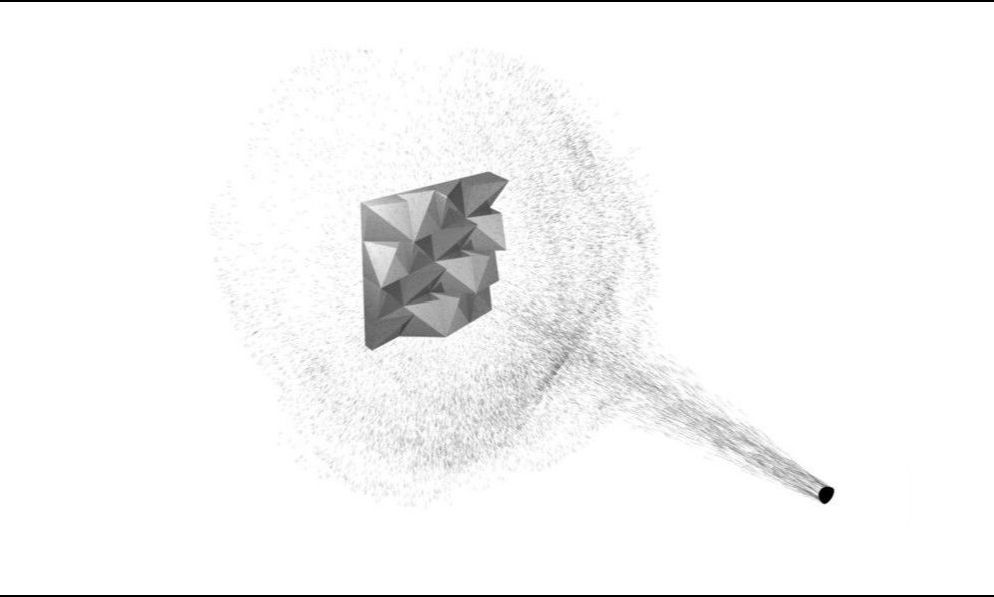
- Diffusers: Applying only absorption can "kill" the room and eliminate the natural harmonics of the music. Diffuser materials (often made of wood, EPS, plastics, or ceramics) rely on irregular surfaces or complex mathematical calculations to scatter sound energy in multiple directions, reducing unwanted echoes without removing the acoustic vitality of the environment.
JOCAVI Solutions for Acoustic Excellence At JOCAVI International, we have developed a vast line of professional products (from melamine and PET foams to wood, metal, and ecological cork finishes) meticulously designed to neutralize echo and reverberation problems in all types of public and private facilities: from music studios and rooms to restaurants, churches, auditoriums, and theaters.
We highlight our main solutions for achieving an exemplary acoustic response:
- Absorbent Panels: Crucial for taming excessive reverberation. Products such as the ADDSORB , MELLOWALLTRAP, FOAMSORB, or EBONY offer excellent absorption for mid and high ranges, featuring wood, fabric, or acoustic foam finishes.
-** Basstraps**: To prevent bass from becoming uncontrolled (especially in studios and auditoriums). Products like the BASSCORNER, BASSKEEPER, WALLTRAP, or the mineral panels STAIDTREAT BXA were designed for high efficiency in the lower zone of the sound spectrum.
-
Diffusion Panels: The primary elements responsible for the musicality of a room. Reference models like the TUNEFLECTOR (inspired by the twelve-tone technique), the SQUARYDIFFUSOR, the EFFECTFUSER, or the WOODQUAD and CERAFLECTOR ranges scatter wave fronts homogeneously throughout the environment. . Acoustic Shells: Perfect for large auditoriums and theaters. Equipment such as the Efectfusor AcSh (fixed to the ceiling) or the Dynamicflow AcSh (portable floor modules) recover the acoustic energy from the orchestra that would otherwise be lost on stage, diffusing it harmoniously toward the audience.
-
Ecological Line and Insulation: High-performance solutions with a green footprint, such as the ECOiso QUADCORK and coconut fiber blocks, as well as acoustic doors (AKUSTEKDOOR and anti-vibration rolls for complete "room within a room" soundproofing.
Discover Jocavi Acoustic Solutions customized and designed for your space: https://jocavi.net/portfolio


